Ingress Protection, or IP rating, tells you how well electrical and mechanical equipment is protected against dust, solid objects, moisture and water. For pumps, motors and plantroom equipment, choosing the correct IP rating helps prevent premature damage, corrosion, electrical failure and downtime.
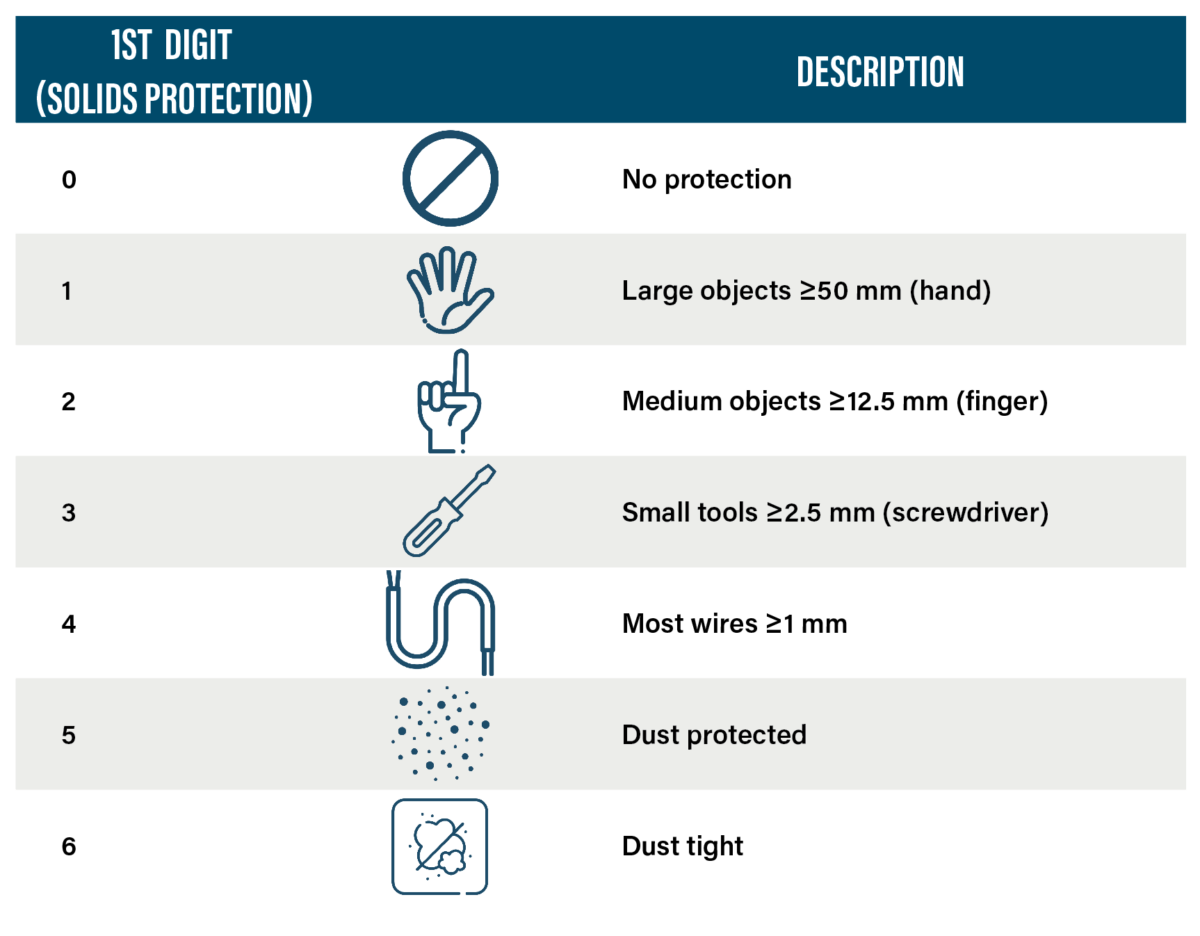
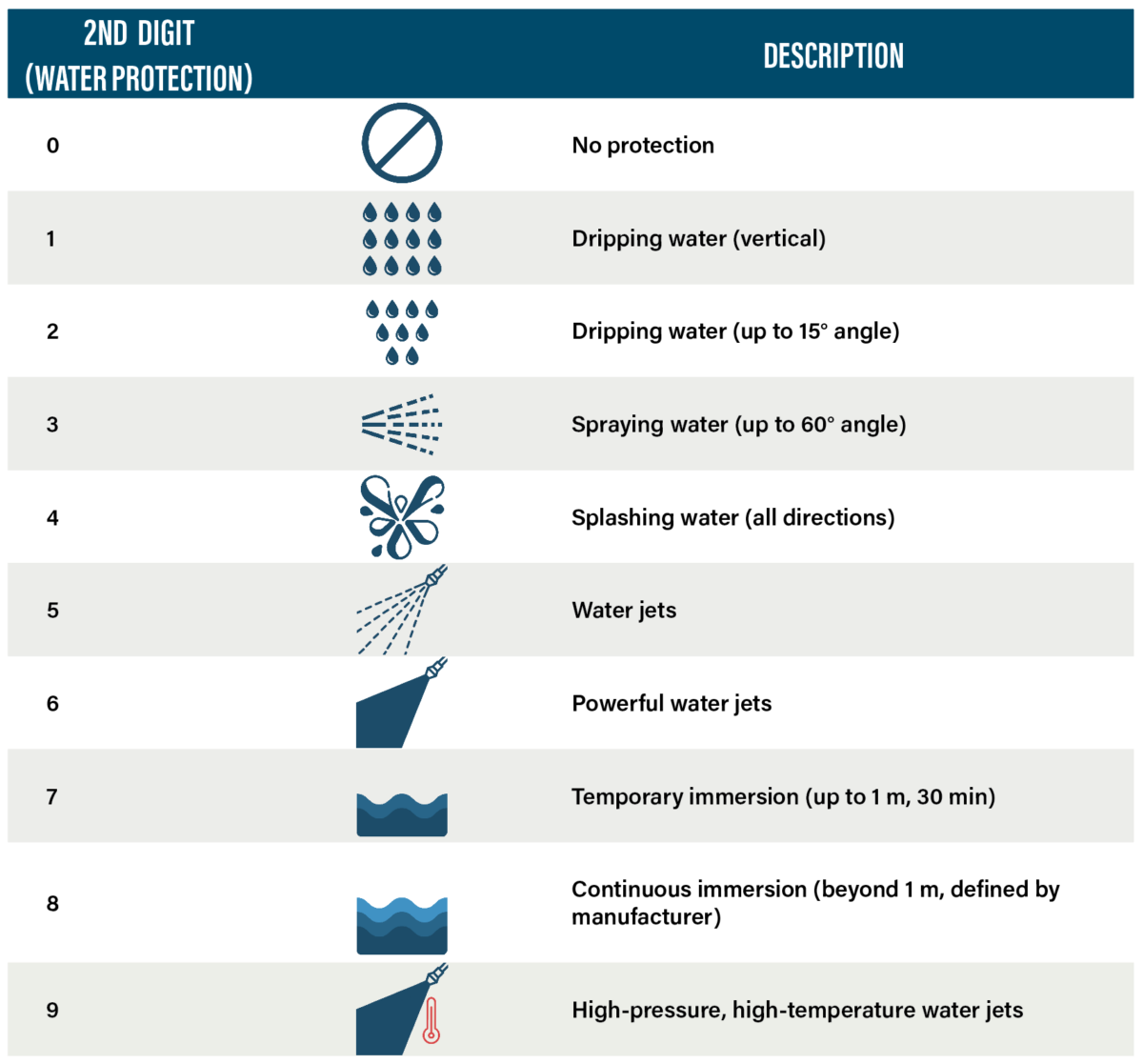
An IP rating is made up of two numbers. The first number refers to protection against solids such as dust, tools, fingers and wires. The second number refers to protection against water, including dripping water, splashing, water jets and temporary immersion.
For example, an IP55 rating means the equipment is protected against dust ingress and water jets from any direction. This makes it suitable for many indoor plantroom and general protected outdoor applications.
How to read IP Ratings
IP 56
5 – First digit 6 – Second digit
First digit = protection against solids (dust, tools, fingers, wires). Second digit = protection against water (drips, sprays, immersion).
Example: IP56 = Dust protected + Water jets – Suitable for indoor and outdoor plantrooms.
Ingress protection (IP) Rating Chart
Which IP Rating Do I Need for My Pump Installation?
For most indoor pump rooms, IP55-rated equipment is generally suitable, as it provides protection against dust and water jets. However, installations exposed to outdoor weather, washdown areas, heavy moisture or high-pressure water may require a higher level of protection such as IP56 or IP66.
The right IP rating depends on the installation location, exposure to water, ventilation, maintenance access and whether the equipment is installed indoors, outdoors or in a partially exposed area.
Comparisons
IP55 vs IP56
IP55 protects against dust and water jets. IP56 provides similar dust protection but better water protection against powerful water jets.
IP55 vs IP66
IP55 is suitable for many general pump installations. IP66 offers stronger protection because it is dust tight and protected against powerful water jets.
FAQ
IP55 means the equipment is protected against limited dust ingress and water jets from any direction. For many indoor plantroom and general pump applications, IP55 is commonly suitable because it provides protection against dust and normal water exposure.
IP55 may be suitable for protected outdoor pump installations, but fully exposed outdoor environments may require a higher IP rating depending on weather exposure, washdown requirements, moisture levels and site conditions. In harsh or exposed locations, ratings such as IP56, IP66 or IP67 may be more appropriate.
IP66 provides a higher level of protection than IP55. IP55 is dust protected and protected against water jets, while IP66 is dust tight and protected against powerful water jets. However, the best option depends on the installation environment and how much dust, water or weather exposure the equipment will face.
Yes, IP-rated equipment can be installed outside, provided the rating is suitable for the level of exposure. Outdoor installations may also require correct drainage, ventilation, weather protection and proper installation to ensure the equipment performs reliably over time.
Not always. A higher IP rating means the equipment has greater protection against solids and water, but it does not automatically mean it is the best choice for every application. The right IP rating should be selected based on the pump location, exposure to dust or water, maintenance access and operating environment.
Need help selecting the right IP-rated pump equipment for your site? Contact Masterflow Solutions for advice on pump selection, plantroom applications and outdoor installation requirements.
5min readVariable flow systems adjust pump speed and flow rate to match real-time demand, rather than running at a constant rate. In this video, we explain…
5min readMinimum flow is a critical but often overlooked requirement in HVAC pumping systems. In this video, we explain what minimum flow means, why pumps and…