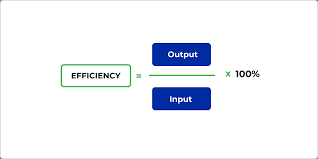
As we learned in part 1, hot to cold temperature transfers involve the absorption of indoor heat, which is dumped outdoors. Because the chiller is working against the usual way of heat transfer (to produce cooling), its energy output is lower than the electrical input.
This gives us a simple output to input ratio of less than 100%, which is used to describe efficiency. This is measured under different operating conditions, leading to specific metrics such as EER and SEER.
However, for heat pumps that process – heat from low temperature ambient air, machines are using the heat energy from low temperatures to in turn produce more heating energy. Even air that is ‘cold’ by...
2min readChoosing the right refrigerant is critical for balancing performance, efficiency, and long-term sustainability. The table below compares R1234ze and R1233zd—two low-GWP refrigerants commonly used in…
3min readEnsuring the optimal performance and longevity of a Centrifugal Chiller, equipped with a Toshiba motor, is critical. This diagnostic report, utilizing our PDMA MCE/Emax™ tool,…
2min readThe Promise: Revolutionise temperature and efficiency standards. The Focus: Innovation and sustainability. The Features: A multitude; do read on. The new THUNDER heat pumps boast…